
The Last Word: The smartest technology acts before a crisis. Prevention is the next frontier of reinvention, changing the timing of action.
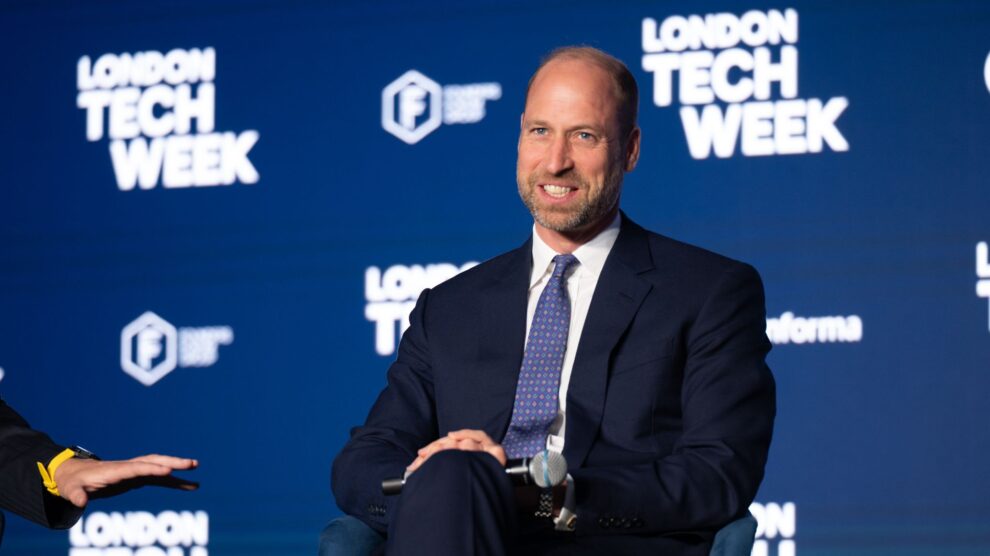
Prince William did something slightly odd at London Tech Week earlier this week: he spoke about homelessness. In a hall more accustomed to founders, funding rounds and artificial intelligence promising to optimise everything, he asked a plainer question. What if data could help spot a family in trouble before the front door closes behind them?
It was a useful interruption. Most conversations about AI still orbit productivity: faster emails, leaner processes, fewer repetitive tasks, more output from the same headcount. That matters. No serious organisation can ignore the gains available from removing administrative sludge. It is also the easiest to price, pitch and procure, which is why every vendor brochure reaches for it first. But productivity is only the loudest use case, not necessarily the most important, or most civilised, one.
The launch of the Homelessness Data Lab, announced by The Royal Foundation’s Homewards programme on 10 June, offers a different lens. Developed with partners including LandAid and Salesforce, it is designed to improve how data and technology are used to prevent homelessness earlier and more effectively. Its purpose is not to make bureaucracy brisker for its own sake. It is to test whether data can show patterns of vulnerability earlier: missed bills, disrupted services, school absence, a household beginning to fray at the edges. Reuters reports that the lab will analyse warning signs such as a missed bill payment, a phone being cut off or a child absent from school, with Homewards saying homelessness affects more than 430,000 people in Britain.
That is the more interesting frontier. The smartest technology acts before the crisis. Prevention is the next frontier of reinvention because it changes the timing of action, not just the speed of action. We have built many systems that wait politely for collapse: the hospital appointment after avoidable deterioration, the welfare call after arrears become unmanageable, the business turnaround after the cash has gone and the staff have lost faith. AI, used intelligently, could help move the state, the company and the community upstream.
That is why the social-impact conversation matters. It reminds leaders that future readiness is not confined to balance sheets and board packs. A city that can identify housing stress early is more future-ready than one that merely expands hostel capacity. A bank that can see financial distress as a signal for support, not merely as credit risk, is reinventing its role in society. A technology firm that designs tools for prevention rather than addiction has discovered a better ambition than capturing another slice of human attention.
The test is governance
There is, however, no romance in naïveté. The same tools that can spot vulnerability can also sort, label and punish it. A missed payment is not a moral failure. A school absence is not proof of parental neglect. A disconnected phone may be a warning light, but it is not a verdict. The line between care and surveillance is thin, and the people most likely to be analysed are often those with the least power to object.
So the test is governance. Consent must be real, not a clause buried beneath a cheerful digital interface. Data must be minimised, anonymised where possible and used for help rather than discipline. The human worker must remain more than a decorative layer on top of the machine. And the people whom the system claims to serve should be involved in shaping it, not simply processed by it.
Handled badly, preventive AI will become another administrative gaze, looking down on those already carrying too much. Handled well, it could shift institutions from reaction to responsibility. Not another dashboard, but an earlier knock at the door. It could help governments, companies and charities ask the question they too often avoid: what did we know early enough to change?
That may be the deeper lesson from an apparently unusual conversation at a technology conference. We have spent years asking how AI can make systems faster. The better question is whether it can make them earlier, wiser and more humane. The last word is simple: the future will not belong to the organisations that automate the crisis response, but to those that reinvent the warning signs into a duty of care.